Water
Indoor humidity drops in winter
Forced-air heating common in Canadian homes pulls indoor relative humidity down, so soil dries unevenly while plant growth slows. Watering frequency that worked in July rarely fits January.
Indoor plant care · Canada
Heated winter air, long dark months, and a short but intense growing season shape how indoor plants behave across Canada. These notes cover the three variables that change the most at home: water, light, and the moment to move a plant into a larger pot.
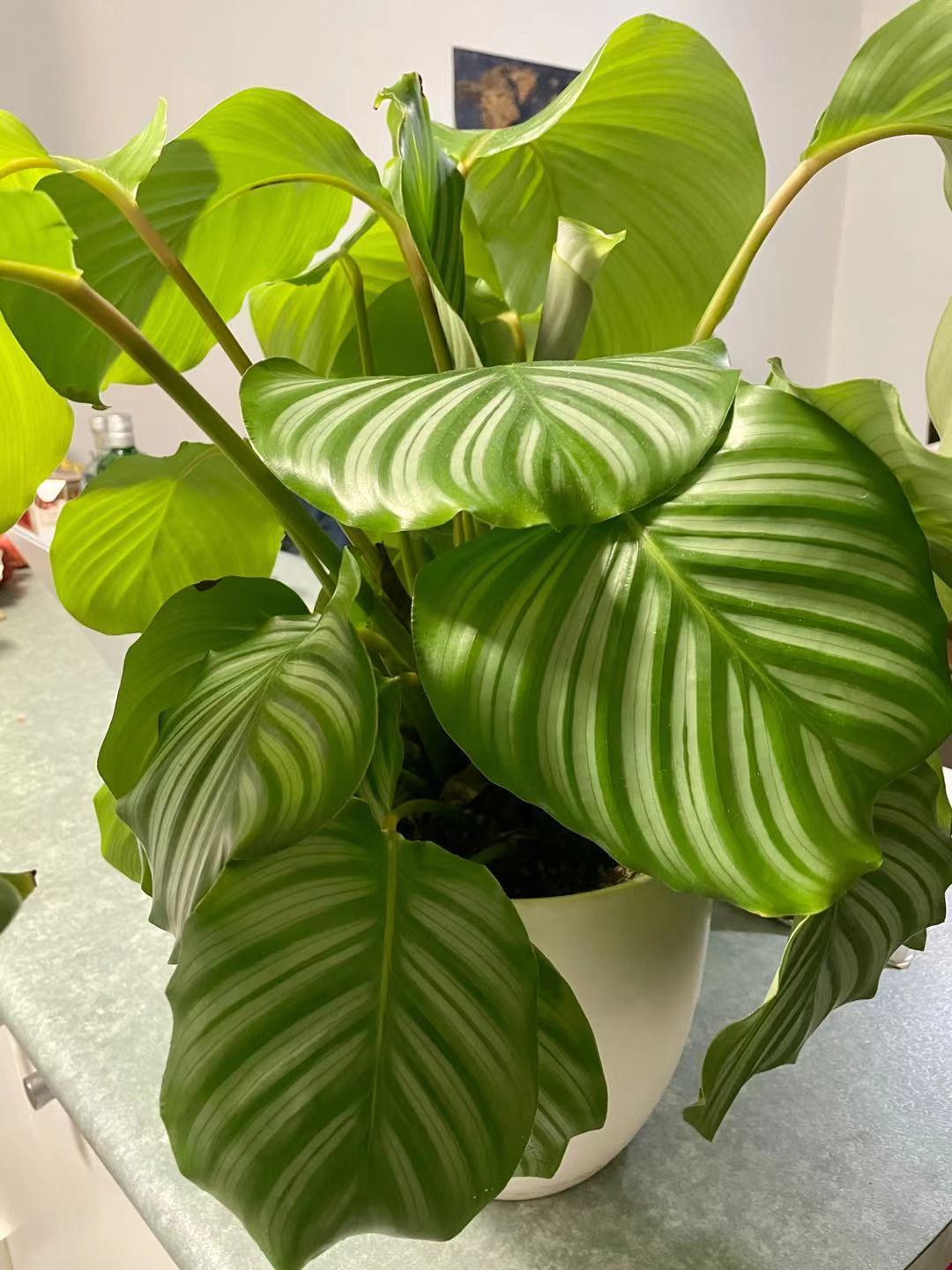
What changes indoors
Water
Forced-air heating common in Canadian homes pulls indoor relative humidity down, so soil dries unevenly while plant growth slows. Watering frequency that worked in July rarely fits January.
Light
Daylight in southern Canada ranges from roughly sixteen hours near the summer solstice to about eight in late December, and shorter still farther north. A bright summer windowsill can become a dim corner by winter.
Pot size
Most active root growth happens from spring into summer. Checking and repotting at the start of that window gives roots room before the plant’s busiest growth period.
Reference notes

Light
How window direction and shorter winter days affect placement, and when supplemental light is worth considering.
Read note →
Water
Why heated rooms change soil drying, and a checking routine that adjusts to lower light and slower growth.
Read note →
Repotting
Signs a plant has outgrown its pot, choosing a pot size, and a step-by-step repotting sequence.
Read note →A simple seasonal check
Rather than a fixed schedule, indoor plant care responds to conditions you can read directly: how fast soil dries, where light falls during the day, and whether roots have filled the pot. The pills below mirror that observe-and-adjust rhythm.
For example, before watering a pot of pothos, press a finger into the top few centimetres of soil. In a heated room it may be dry within days; near a cool, bright window in spring it can stay damp far longer.
Contact
Have a question about a note on this site? Use the form below. This is a static reference site, so the form simulates submission in your browser and does not transmit data to a server.